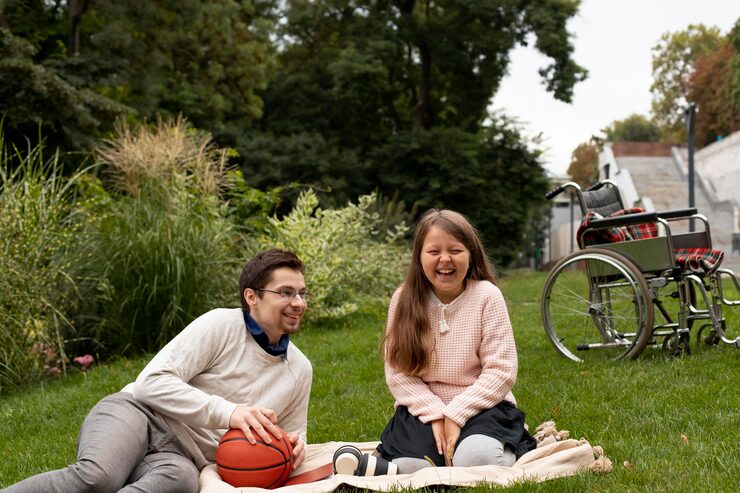
Description
Recreation programs that fail to reach certain community populations almost always fail for specific, identifiable reasons — a registration process that requires digital access not everyone has, a physical environment that assumes a mobility standard, a program format built entirely around one cultural frame of reference. Inclusive design is the discipline of identifying and removing those barriers before they exclude the people the program is supposed to serve.
You’ll work with:
- Barrier mapping: identifying the specific points in a program’s design and delivery where different population groups are likely to disengage or not reach at all
- Accessibility design decisions: facility layout, activity modification, communication format, and registration process changes that remove identifiable barriers
- Cultural responsiveness in program design: adapting content, facilitation approach, and community engagement strategies for populations whose recreation needs differ from the assumed default
Timeline: +/- 5 hours
Outcome: A practical inclusive design capability — with the analytical tools to identify what is excluding specific populations from a program and the design knowledge to change it.
Reviews
There are no reviews yet.